
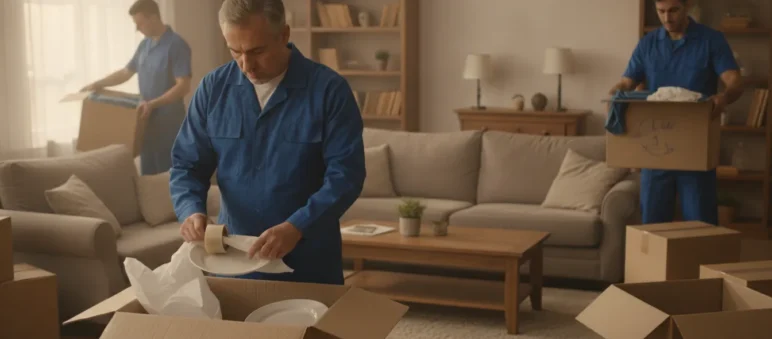
Moving is easier to manage when the packing plan is treated as part of the move, not as a last-minute chore. For Delaware homeowners and renters, the right level of help depends on your schedule, the size of your household, and how much care fragile or high-value belongings require.
Professional moving and packing services can be worth the added cost when they save meaningful time, reduce stress, and give your belongings a consistent packing process. The best way to judge the value is to compare a detailed, survey-based estimate with the time and materials a do-it-yourself move would require.
Delaware Moving & Storage is a family-owned company serving the tri-state area for more than 42 years. A physical or virtual survey helps create an accurate estimate instead of relying on guesswork. You can also review the company’s full-service moving and packing services and the Storage and Packing Solutions in Delaware hub before deciding what level of assistance fits your move. First, it helps to understand exactly what a full-service package includes.
Get a free moving and packing estimate in Delaware.
What Is Included in Full-Service Moving and Packing Services?
A full-service moving and packing bundle combines preparation, protection, loading, transportation, and delivery support. Instead of handling every box alone, you can choose a complete household pack, a partial pack for fragile rooms, or help with specific items. Packing services can be tailored to the size of your move and the amount of hands-on assistance you want.
For Delaware homeowners and renters, full-service moving and packing services may include the following:
- Specialized materials, including heavy-duty boxes, protective padding, and supplies selected for the item being packed.
- Room-by-room organization so belongings stay grouped logically throughout packing, loading, and unpacking.
- Wardrobe boxes that allow many hanging clothes to remain on their hangers instead of being folded into cartons.
- Custom crating for especially fragile or valuable pieces, such as artwork, mirrors, and glass items.
- Clear labeling by room and contents, making it easier to identify priority boxes at your new home.
- A documented inventory to help organize and track packed belongings during the move.
What professional packers do before moving day
Professional packers assess the contents of each room, choose appropriately sized containers, and use packing techniques that help keep boxes balanced. That matters because a box that is too heavy can be difficult to lift, while poorly supported fragile items may shift or become crushed. A trained team can also keep packing supplies from taking over your home during the transition.
The service does not have to be all or nothing. You might pack everyday clothing and books yourself, then ask the crew to handle dishes, artwork, electronics, antiques, or other delicate belongings. You can also arrange for the team to pack the entire household. This flexibility is useful when your schedule, physical limitations, home size, or move deadline makes a full DIY approach impractical.
How the moving portion fits the bundle
Once items are prepared and labeled, the moving crew can load them in an organized way, protect furniture, and coordinate transportation and unloading. Delaware Moving & Storage offers local, apartment, commercial, long-distance, international, storage, and specialty moving solutions. The company has served the tri-state area from northern Delaware for more than 42 years. So the same planning conversation can account for both the packing scope and the type of move.
For a closer look at the difference between handling everything yourself and hiring a crew, review these professional moving and packing services. Before work is scheduled, a physical or virtual survey can establish what needs to be packed and support an accurate, detailed estimate rather than a blind guess.
How Much Extra Does Professional Packing Add to Your Move Cost?
Professional packing is an added service, but the right question is not simply whether it costs more than packing yourself. It is whether the added cost fits your time, energy, belongings, and tolerance for moving-day risk. There is no honest one-size-fits-all price. A partial pack of fragile items will be different from packing an entire household, and local, long-distance, and specialty moves have different requirements.
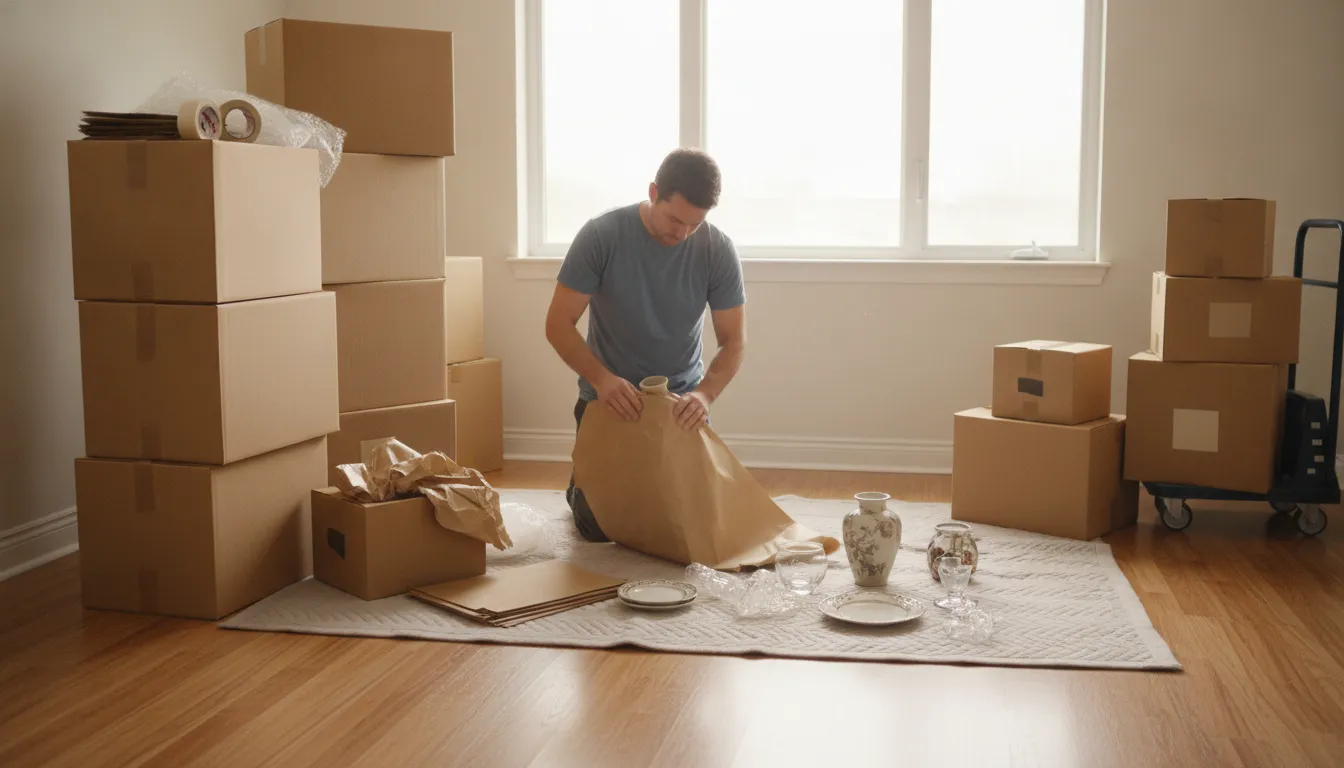
Delaware Moving & Storage bases estimates on a physical or virtual survey rather than a blind estimate. That review helps identify the number and type of items, the level of packing needed, and the materials involved. The result is a detailed estimate built around your move, with transparent pricing and no hidden fees. You can also choose a limited packing service instead of paying for every room.
| Consideration | DIY packing | Professional packing |
|---|---|---|
| Materials and supplies | You purchase, gather, and organize boxes, padding, tape, and specialty supplies. | The packing team supplies appropriate materials, including heavy-duty boxes and padding. |
| Time | Packing competes with work, family responsibilities, and other move preparation. | Trained teams can pack a home in a fraction of the time it may take an average homeowner. |
| Effort and physical toll | You handle the repeated bending, lifting, sorting, and carrying yourself. | Professionals take on much of the physical work and can reduce the risk associated with awkward or heavy items. |
| Protection | Results depend on your materials, technique, and how evenly boxes are filled. | Packers use established techniques, balance boxes, and select materials suited to the contents. |
| Liability | Your own packing decisions may affect how damage concerns are handled under the move agreement. | Ask how valuation protection applies to items packed by the moving team and review the written terms. |
| Overall cost impression | Often feels less expensive at first, but your time, supplies, and potential replacement costs remain part of the equation. | Costs more as a service, but combines labor, materials, efficiency, and packing expertise in one estimate. |
Professional packing may be worth considering when your schedule is tight, you have fragile or difficult-to-pack belongings, or the physical work would be a significant burden. Efficient packing can also maximize space in boxes and containers, which may help control costs in some situations. For a smaller budget, ask about packing only the kitchen, artwork, electronics, or other high-risk areas. The best choice is the one that gives you a clear scope of work and a price you understand before moving day.
For a closer look at the tradeoffs, review these professional moving and packing services before requesting your survey.
Request your free in-home estimate to see what packing add-on fits your move.
Time Savings: Hiring Packers vs Packing Yourself
Packing a home is more than putting belongings into boxes. Each room requires decisions about what to keep together, how to protect fragile items, and where each box should go at the new home. For many homeowners, handling that work alone can turn the weeks before a move into a physically demanding second job. Professional packing services save significant time and reduce the physical stress associated with moving, especially when the household includes large, awkward, or delicate belongings.
A room-by-room process keeps the work moving
Experienced packers use an efficient room-by-room process rather than moving randomly from one item to the next. They can prepare the kitchen, bedrooms, living areas, and storage spaces in an organized sequence, keeping similar belongings together and reducing the repeated handling that slows do-it-yourself packing. Professional teams can pack an entire house in a fraction of the time it may take an average homeowner. Although the exact schedule depends on the home’s contents and the service selected. Professional packing teams also know how to use available box space carefully, which can simplify loading and unloading.
Better-balanced boxes make moving easier
Speed is useful only when the packing is safe. Professional packers balance boxes so they are not unnecessarily heavy and so fragile items are less likely to be crushed by heavier contents. They also use appropriate packing materials, such as heavy-duty boxes and padding, instead of relying only on standard consumer supplies. That preparation can make boxes easier to carry and helps the crew move through loading and unloading more efficiently.
Organization continues after the boxes are sealed. A documented inventory helps homeowners track belongings, while clear labels by room and contents make it easier to find essentials and direct boxes at delivery. This is especially helpful when a family needs access to medications, clothing, kitchen items, or work materials soon after arrival. A moving and packing services checklist can help you identify which items need professional attention and which belongings you prefer to pack yourself.
Less lifting means less physical strain
DIY packing often involves repeated bending, reaching, carrying, and lifting. Heavy or awkward objects can create an injury risk when handled without the right technique or assistance. Hiring trained professionals for packing can minimize that risk and lets homeowners focus on decisions, scheduling, and family needs instead of spending every available hour on physical labor. Partial packing is also an option when you want help with fragile or demanding rooms while keeping simple items under your control.
The Liability Difference When Movers Pack vs You Pack
Who packs a box can affect how protection applies if something is lost or damaged. For interstate moves. The Federal Motor Carrier Safety Administration (FMCSA) explains that movers are responsible for the value of the goods they transport and must offer customers a choice between full value protection and released value protection. The coverage you select, along with the mover’s written terms, matters just as much as the packing method.
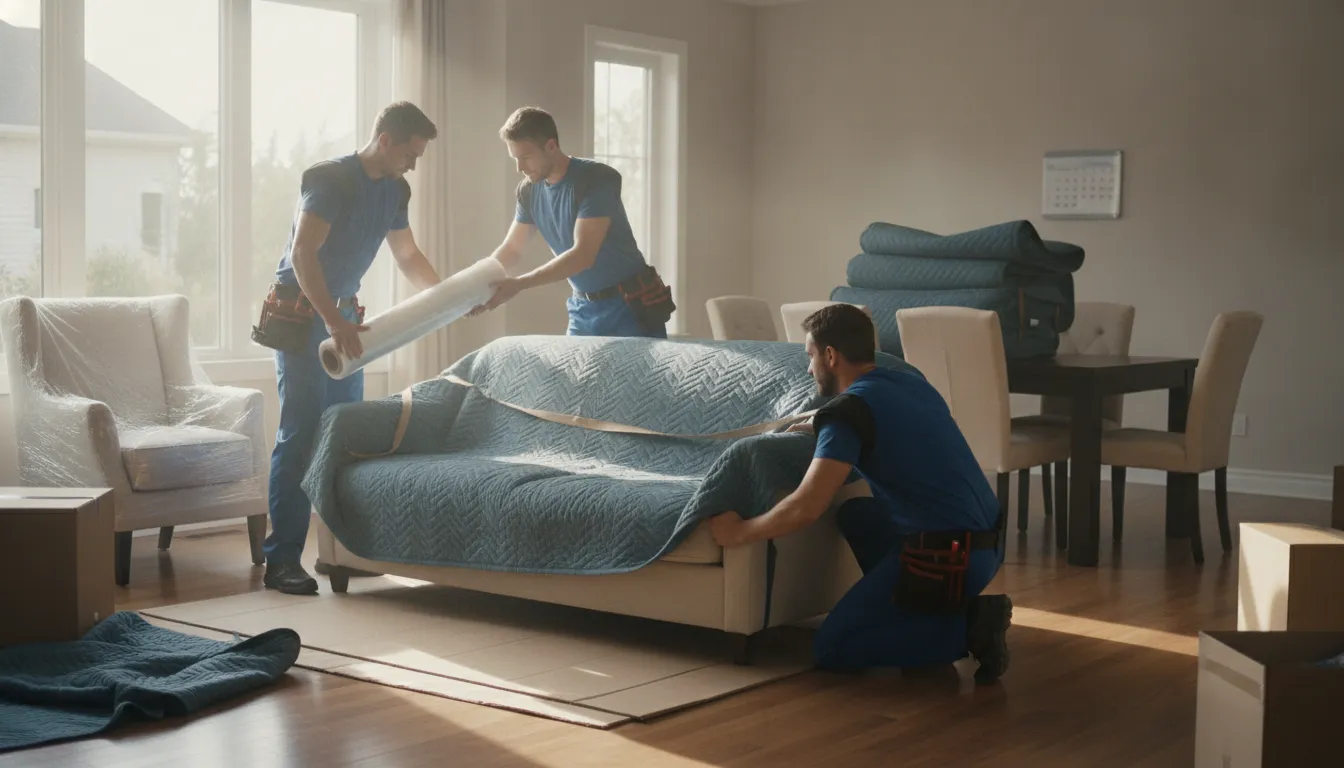
Full value protection versus released value protection
With full value protection, the mover is liable for the total replacement value of a lost or damaged item in the shipment. Subject to the specific terms, exclusions, and deductible in your agreement. The mover may repair the item, replace it with a similar item, or make a payment that reflects the item’s replacement value. Review the valuation paperwork carefully so you understand what is included and what is excluded.
Released value protection has no additional charge, but FMCSA says it provides only up to 60 cents per pound for an item. That limit can be very different from the cost to replace a lightweight television, artwork, computer, or other high-value possession. Read the FMCSA explanation of moving liability and protection options before choosing coverage, especially for an interstate relocation.
Why professional packing can change the conversation
When you pack your own belongings, the mover may have limited responsibility for damage linked to inadequate packing, depending on the contract and applicable rules. That does not mean every self-packed item is automatically excluded, and it does not replace the need to report damage promptly. It does mean you should ask exactly how self-packed boxes are treated before signing.
When a professional crew packs an item, the company controls the materials, preparation, and handling of that packed item. Professional packers commonly use specialized cartons, padding, and techniques designed for transport, and many moving companies offer valuation coverage specifically for items packed by their own team. Confirm the details in writing, including whether coverage applies to all packed items, any exclusions for valuables, and whether a deductible applies.
Delaware Moving & Storage offers valuation protection options as part of its relocation services. You can review moving valuation insurance Delaware guidance and discuss the available choices during your estimate. A physical or virtual survey helps the team build an accurate, detailed estimate rather than relying on a blind guess. While also giving you a chance to identify fragile, valuable, or specialty items that need separate handling.
Before moving day, ask three practical questions: Which protection option is included in the estimate? How are self-packed boxes handled? Which items require special packing or separate valuation terms? Clear answers let you compare the convenience of moving and packing services with the level of financial protection you actually want.
How to Request a Packing Add-On When Getting a Moving Estimate
Packing does not have to be an all-or-nothing decision. Many households want help with fragile rooms, artwork, or a kitchen while handling clothing and other straightforward items themselves. When you request an add-on during the estimate, the moving company can match the service to your household, schedule, and comfort level instead of building a one-size-fits-all plan.
Delaware Moving & Storage uses a physical or virtual survey to prepare an accurate, detailed estimate rather than relying on a blind estimate. That review gives you an opportunity to discuss the packing work alongside transportation, loading, delivery, and any storage needs. Use these steps to make the conversation productive.
- Book an in-home or virtual survey. Walk the estimator through the home, including closets, basements, attics, garages, and any items that need special attention. Point out fragile, unusually large, valuable, or difficult-to-access belongings. A complete survey helps the estimate reflect the actual scope of the move and supports clearer pricing.
- Ask for a separate packing add-on quote. Tell the estimator which rooms or items you may want professionally packed. Ask that packing labor and materials be identified clearly in the estimate, along with what is included and what remains your responsibility. This is also the right time to ask about choosing reliable moving and packing services for your situation.
- Choose partial or full packing. Packing can be tailored from partial service for selected fragile items to full-service packing for the entire household. Partial packing may suit homeowners who want to control the budget while delegating the most delicate or time-consuming work. Full packing can simplify preparation when work, family responsibilities, or a short timeline leave little time for boxes.
- Confirm materials and timeline. Ask what packing materials the crew will provide, which items they will prepare, and when packing will occur relative to moving day. Confirm whether boxes will be labeled and how packed rooms will be organized for loading. If you are packing some belongings yourself, clarify the deadline and any preparation requirements so the two plans do not overlap.
- Review valuation coverage. Before approving the add-on, ask how valuation coverage applies to items packed by the crew and to items you pack yourself. Request an explanation of available options, exclusions, and documentation requirements. Understanding this distinction helps you make informed decisions about fragile or high-value belongings rather than assuming every item has identical protection.
Once these details are documented, compare the complete estimate instead of looking only at the packing line. A tailored plan can give you control over cost while reducing the physical work and uncertainty involved in preparing your Delaware move.
Ready to add professional packing to your move? Get your free estimate today.
Frequently Asked Questions
How much do professional packing services cost?
The cost depends on the size of your household, the number of rooms, the amount of packing needed, and whether you choose full or partial packing. Fragile-only packing may cost less than having the entire home prepared. A detailed physical or virtual survey gives you a clearer estimate than a broad range because the crew can account for your belongings. Access conditions, materials, and requested services.
Is it worth paying for packing services when moving?
Professional packing can be worthwhile when your schedule is tight, you are moving a large household, or you have fragile, valuable, or difficult-to-pack items. Trained packers bring appropriate materials, organize boxes by room, and reduce the physical work involved. You can also choose a partial service and pack everyday items yourself while leaving fragile or specialty belongings to the professionals.
Are packing services included in standard moving quotes?
Not always. Moving labor and packing labor are often separate parts of an estimate, so ask exactly what the quoted price includes. Packing may cover materials, labor, or both, and the scope can range from a few rooms to the entire home. Delaware Moving & Storage uses a physical or virtual survey to prepare an accurate, detailed estimate instead of relying on a blind estimate.
How do professional packing services protect fragile items?
Professional packers use purpose-built materials, padding, and packing techniques suited to the item. They balance boxes so they are not unnecessarily heavy, cushion fragile contents, and label packages by room to support organized handling and unpacking. Ask whether especially delicate items, such as artwork, mirrors, or glass, need custom crating or a specific valuation protection option.
Ready to Add Professional Packing to Your Move?
A moving and packing services estimate can help you compare the value of professional packing with the time and effort of doing it yourself. Share your moving details and packing needs so the right scope can be considered for your move.